

Capture a Feeling with Lo Noom
I guess I made a mistake with Nashville’s Lo Noom. I listened to the demos version of their album Let Us Go, then I listened to the official release. Candidly, I connected more with the demos. Sure, both releases feature the same songs, but the demos capture a very specific feeling and mood.
Let Us Go (Demos) stretches across a wide prairie of influences, from ‘90s Pacific Northwest indie rock (think Olympia, Washington) to ‘80s British twee and jangle pop (e.g. The Field Mice) to early Matador Records excellence. It’s one of the only albums in recent years that totally activated my sense memories and brought me back to my first couple years of post-college life. Hanging out with roommates, going to bars, starting bands—all of the key moments and mistakes of early adulthood.
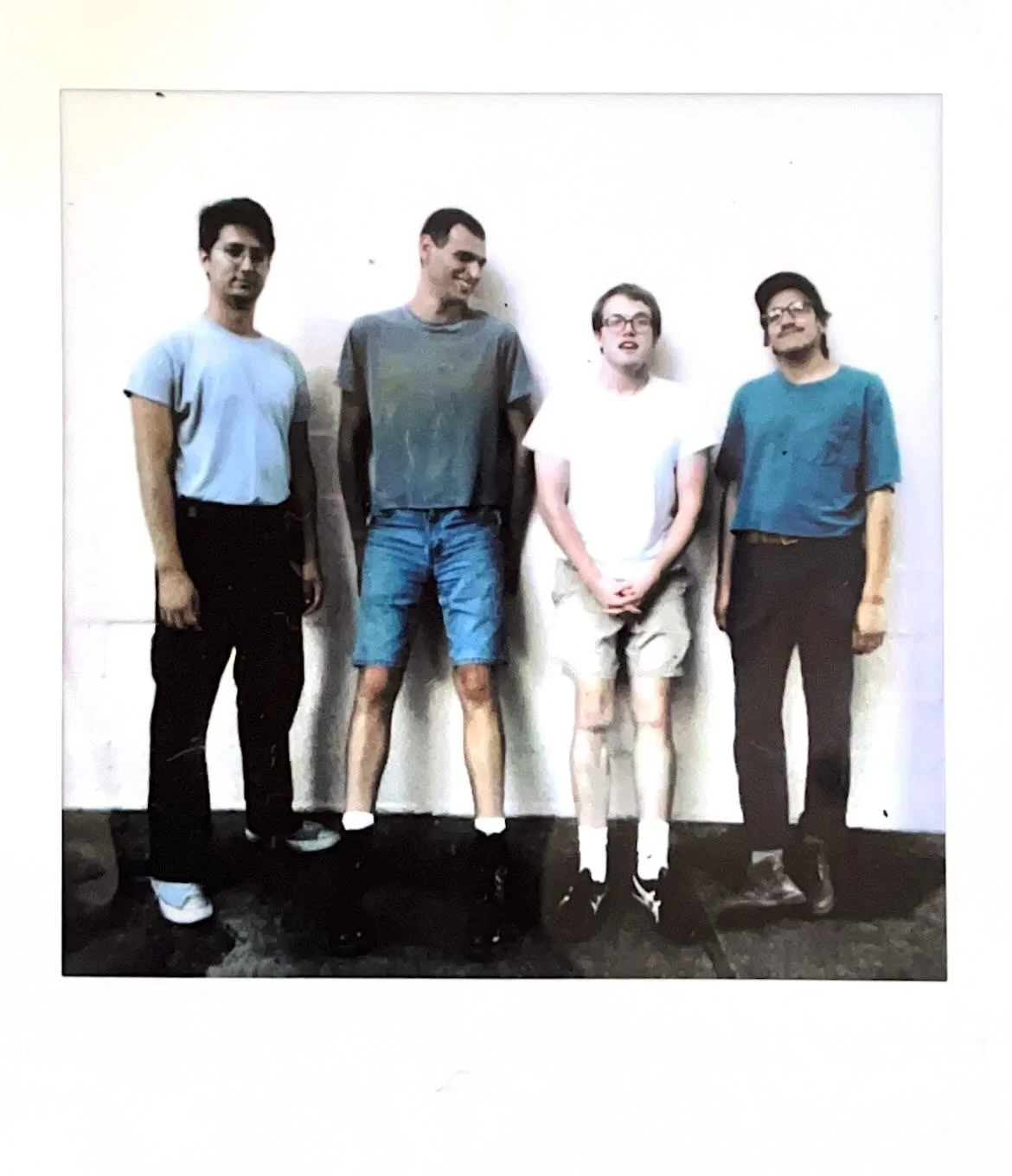
Lo Noom (photo courtesy of the band)
The first three tracks ease you into Lo Noom’s sound and reveal their unique production and melodic sensibilities. Primary songwriter Andrew Newman started recording under the name Lo Noom while living in Mississippi back in 2015, and he references DIY production as a key piece of the band’s identity. That holds up, for sure. There’s plenty of bedroom production, programmed drums, and breathy near-the-mic vocals.
Once you’ve settled into the early tracks, prepare for everything to shift with “Pull Me Out.” It’s moody, complex, and rich with feeling. The harmonica part is such a beautiful addition and feels like a nod to Polaris, and the syncopated drums (playing wonderfully off the percussive acoustic guitar strum) establish a Charlie Brown-esque gloomy dancehall energy. It is a winner, y’all.
Soon after comes the breathy and intimate track “Treehouse.” This one will stick with you long after the first listen—it’s rooted in a clear setting with two distinct characters navigating yearning and difference (“I go early, you come late, I jump in, you hesitate, oh the days you can’t be found, they won’t be much longer now”). The lead guitar and tambourine bolster the emotional stakes and feelings driving the song, and the bridge/closer takes us deeper into the mind of the narrator, repeating the aforementioned lyric in a detached daydreamscape. It’s like we’re spying on the speaker as they speak to themselves in the mirror.
If you have any twee, college-life retrospective proclivities, then spend time with this album. After 15 minutes, you’ll find yourself searching through for old photos, texting long-forgotten roommates, and staring up at the ceiling wondering how you got to this place in life.
